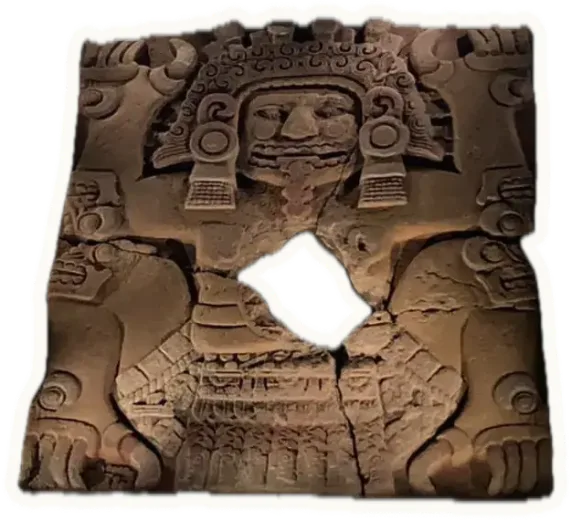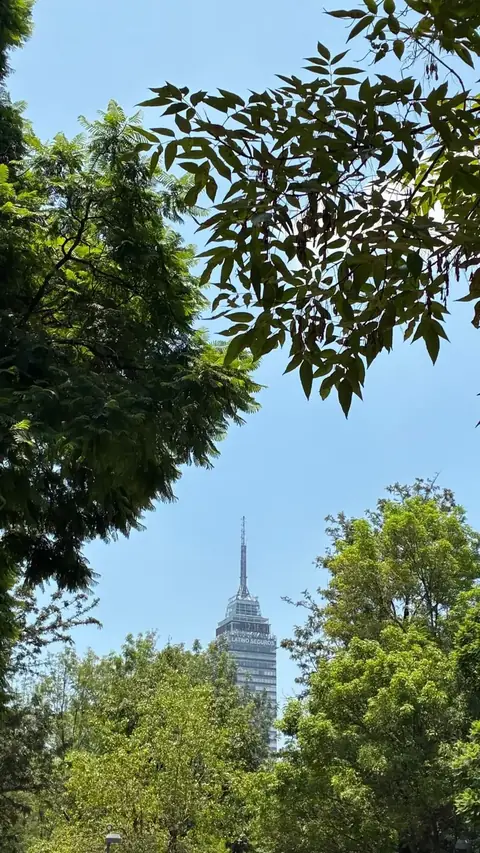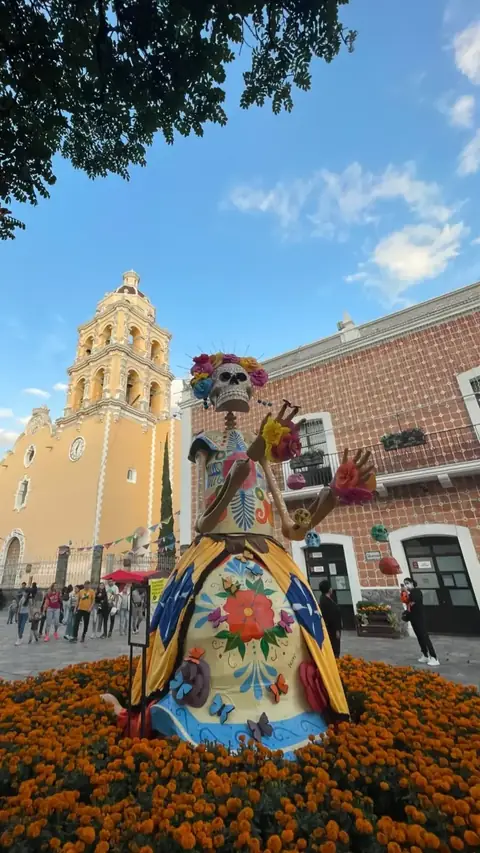
Clue 1
Capture
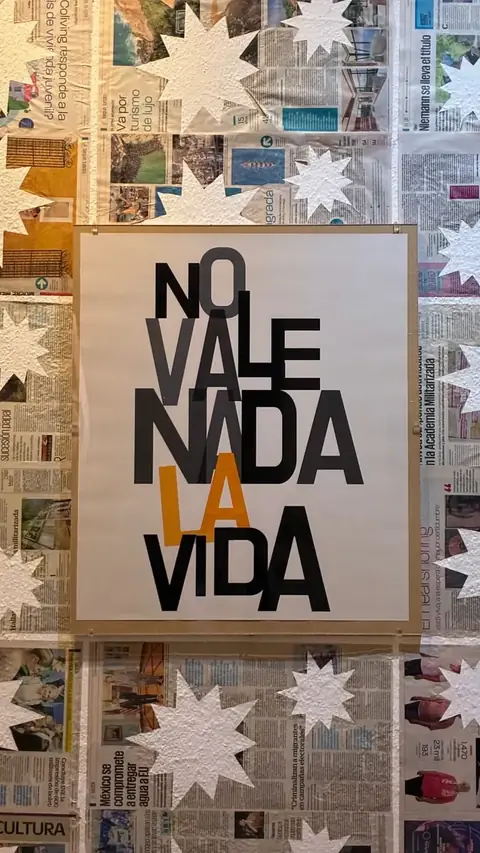
Keep something in seconds: a photo, an object, a sentence.
Everything you lived is still there.
It just needs developing.
An iPhone app for anyone who wants to keep what they lived through, and why it mattered. The tools are free; you only pay for space.
Be among the first to use it
The case · N.º 001
Everything you keep in Legend ends up here: what's left of you, with its why, for whoever comes next.
Legacy has already begun: your Chest, your family tree and what you've been telling. Everything you keep from today already counts.
Clue 1
Keep something in seconds: a photo, an object, a sentence.
Clue 2
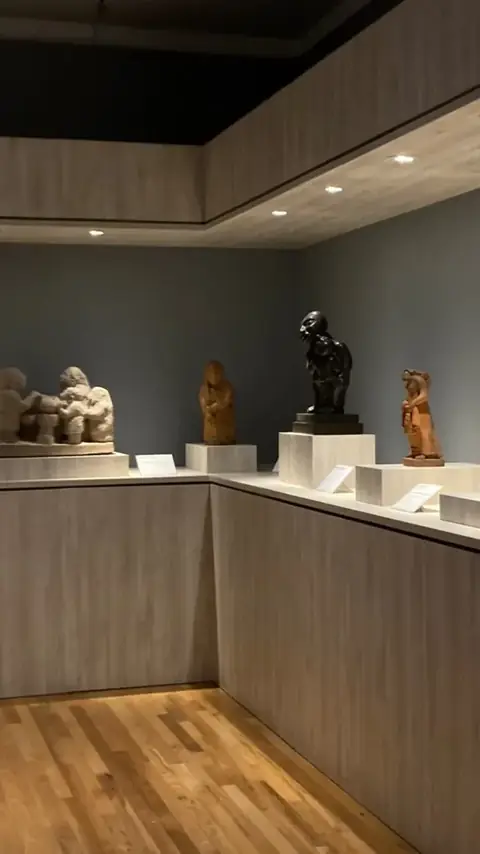
Group what you kept the way you think about it, not the way an app sorts it.
Clue 3
A flight, a ticket, a trip: the moments everything else hangs from.
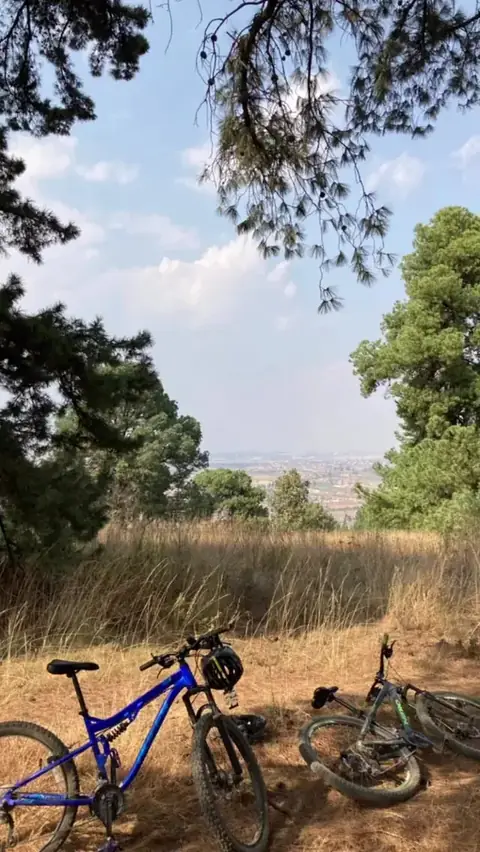
Clue 4
The memories you share with someone, told by both of you.
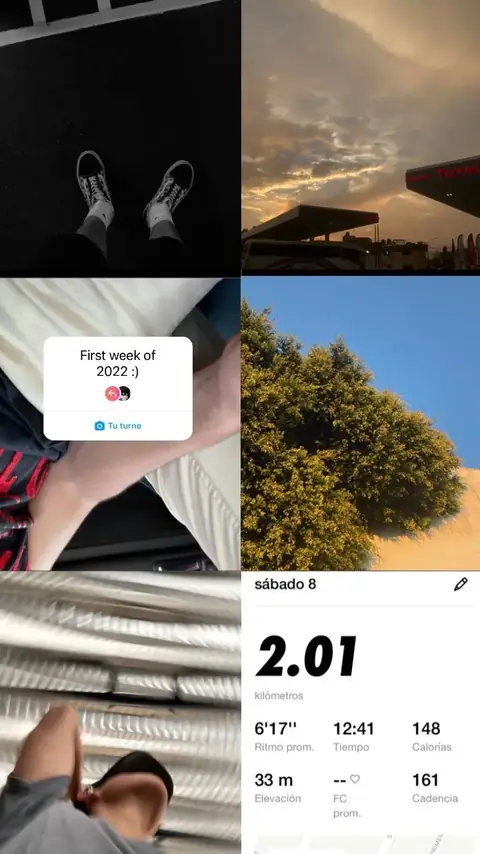
Clue 5
Bring in what you already keep in other apps, starting with Spotify.
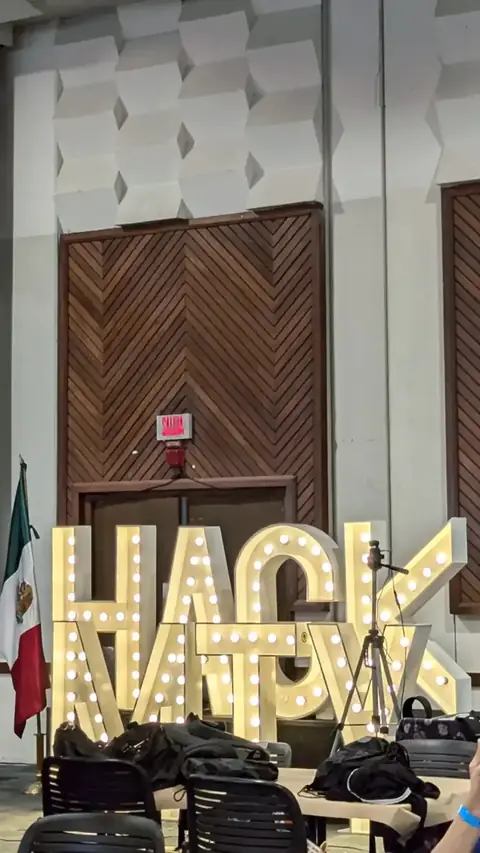
Clue 6
Your circle of trust: share only with the people you invite.
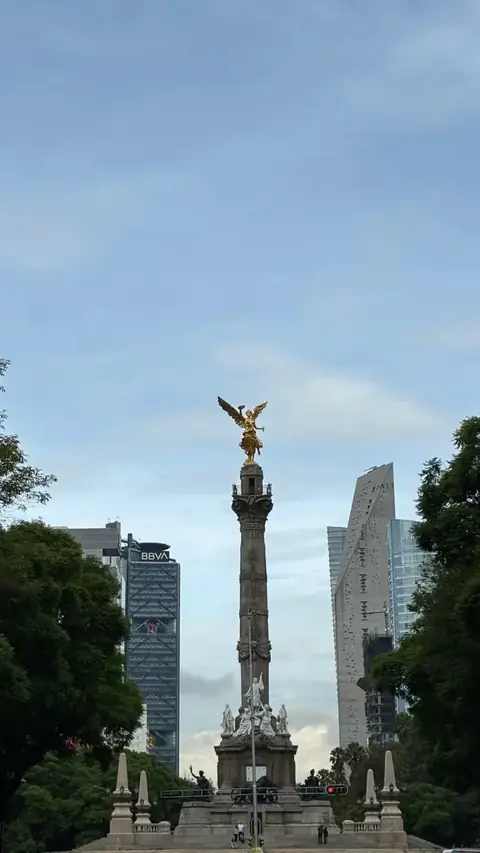
Clue 7
People who collect what you collect. You only share what you choose.
How it works
On exposed film the photo already exists, but no one sees it until it's developed. Your things work the same way.
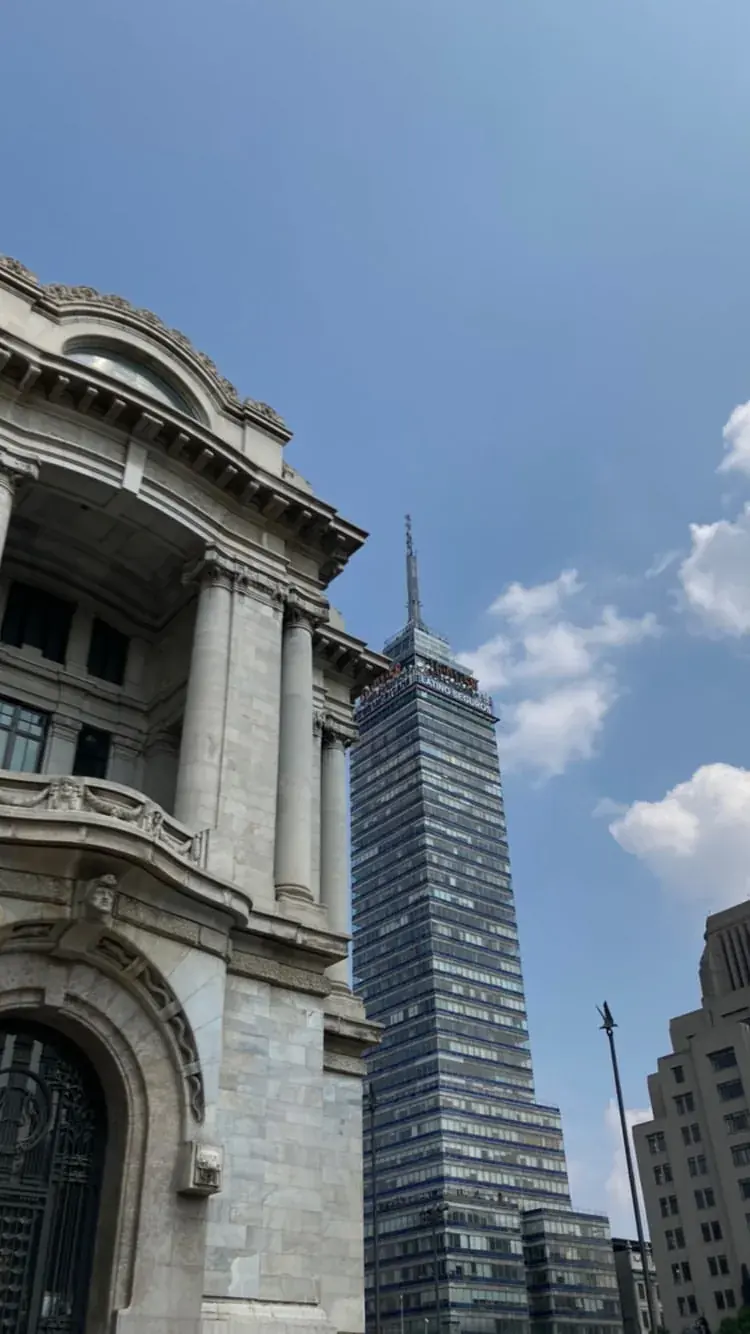
01 / 05
Expose
A photo, an object, a sentence. In seconds, before it slips away. Legend recognizes it without uploading the photo.
02 / 05
Develop
Every piece asks you for one more thing: why it matters. That's where the story appears, and the object stops being inventory.
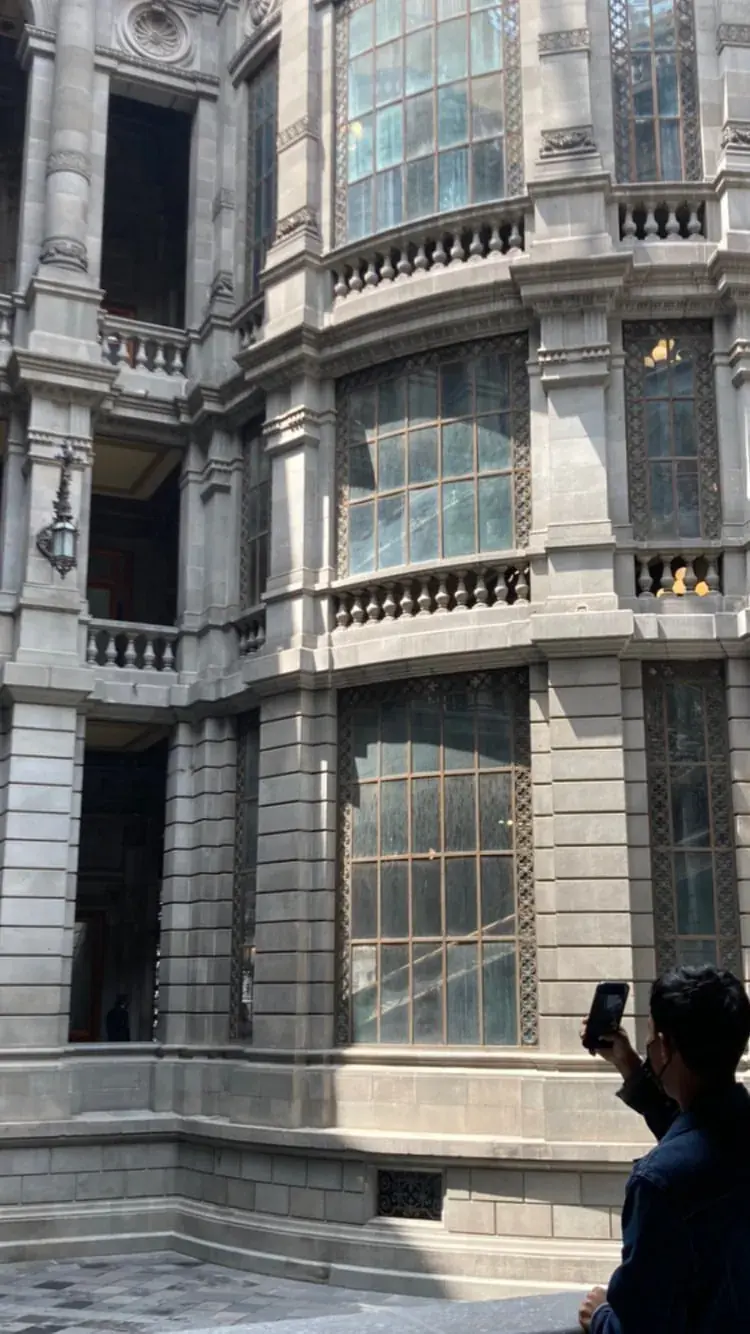
03 / 05
Contact sheet
Your pieces together, by collection or by era. From a distance, patterns you never saw appear: you've been collecting the same thing for years.
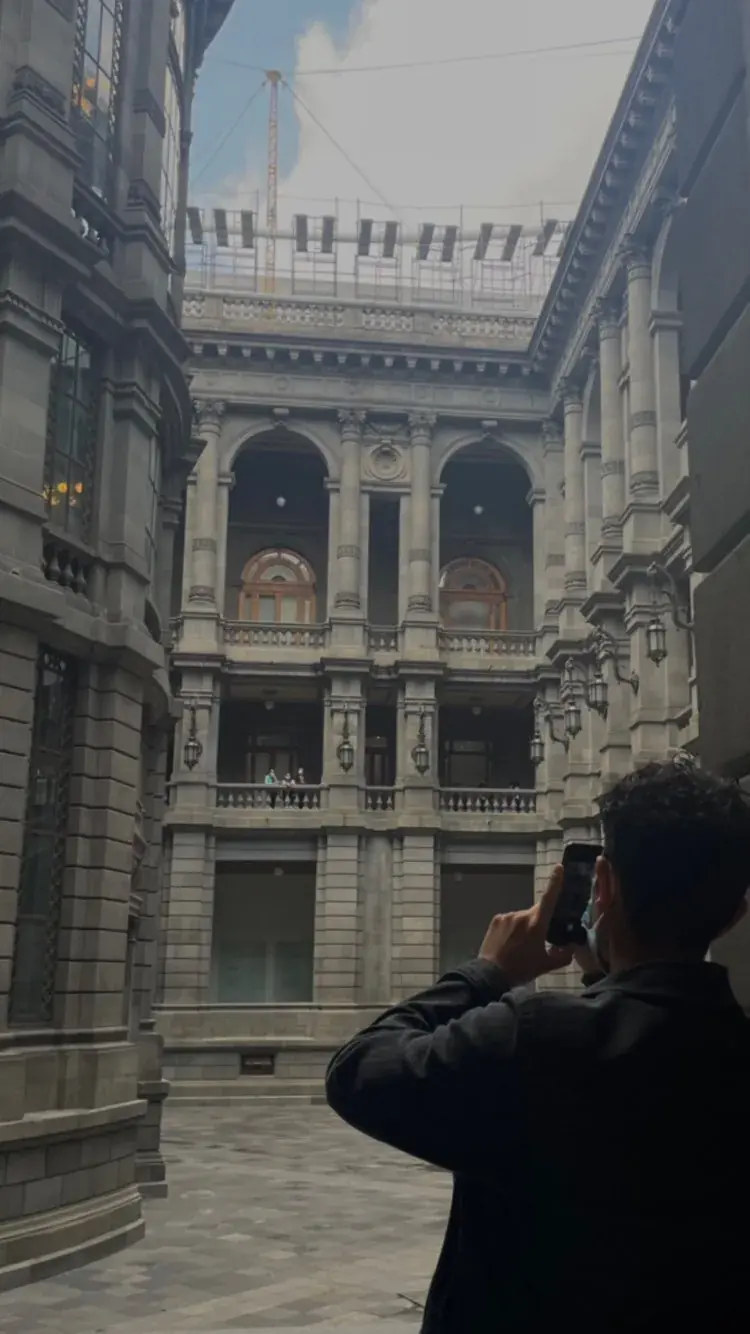
04 / 05
Look again
Browse your archive by era, place or collection whenever you want. Soon, Legend will also hand back what you kept on its own: “A year ago you saved this. Is it still true?”
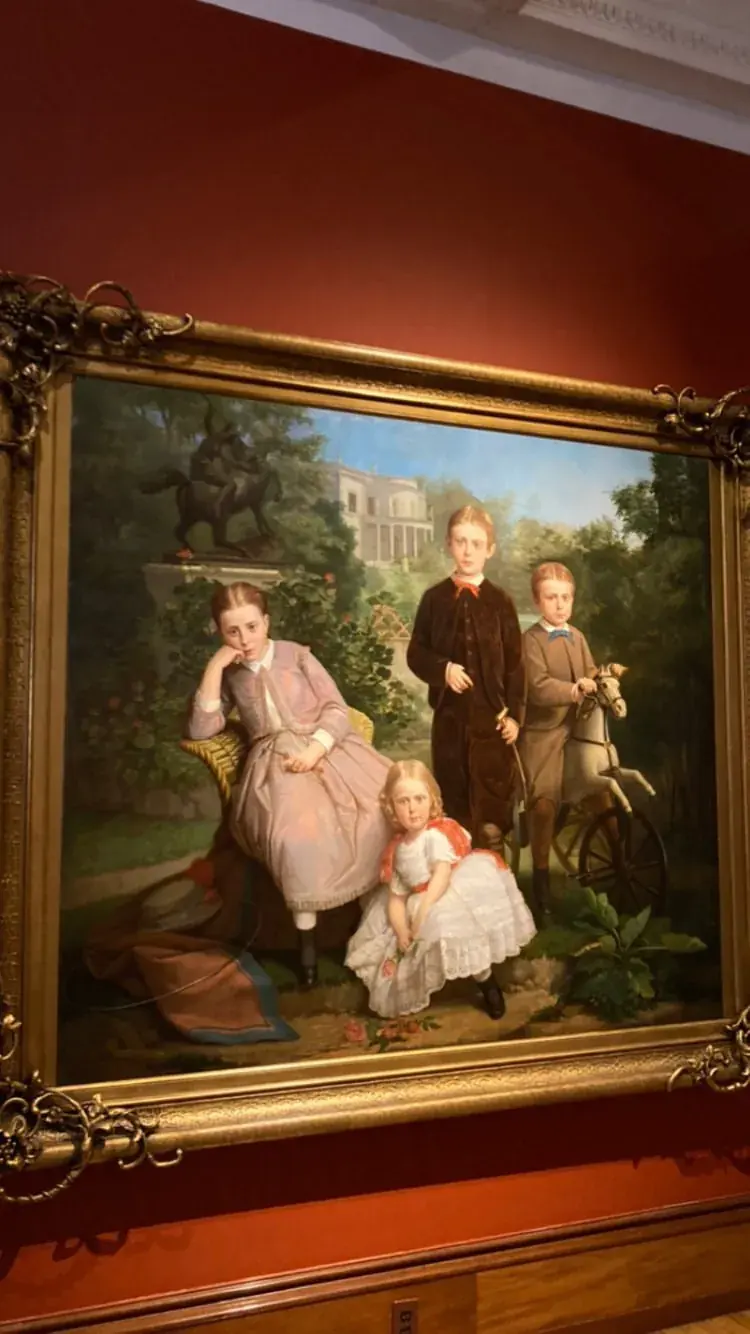
05 / 05
The album
What you keep, with its why, stays for whoever you choose. That's Legacy: it comes later, and everything from today already counts.
Contact sheet
This is what your archive looks like in Legend: every shot together, and on the ones that matter, what only you know.
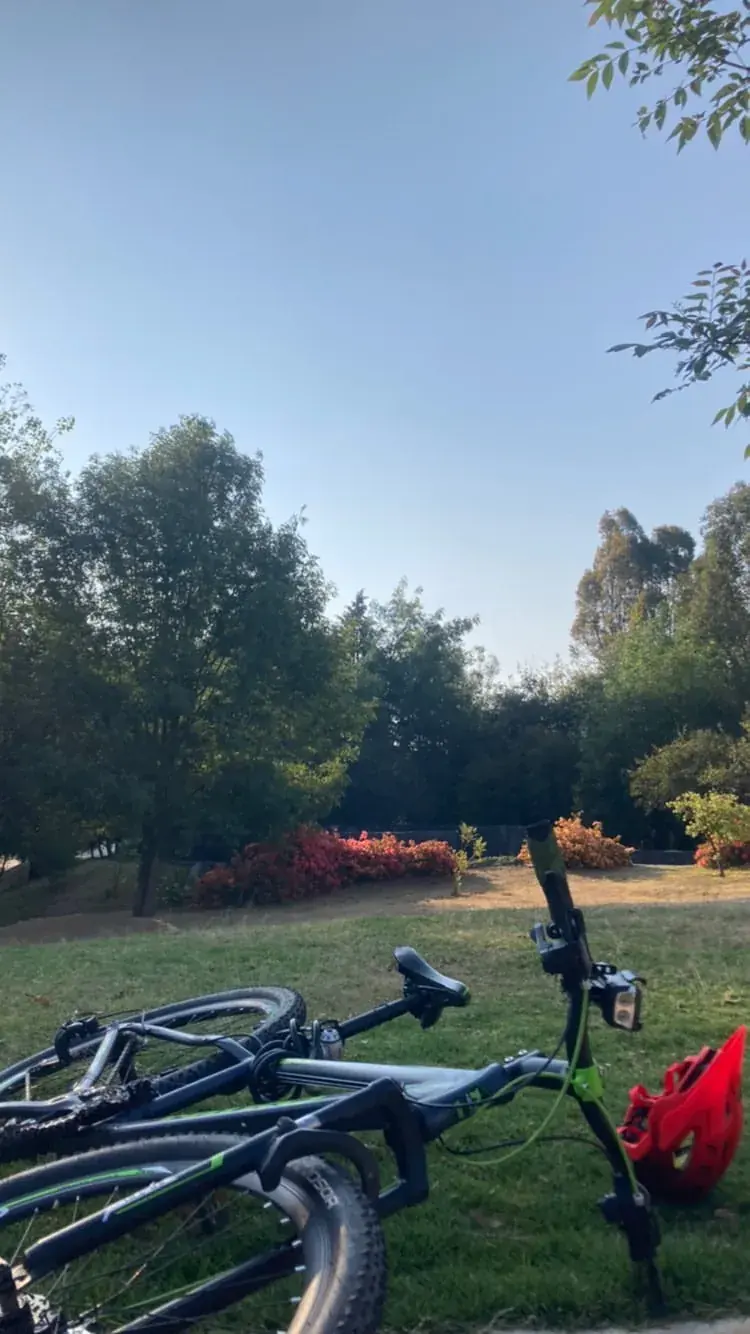
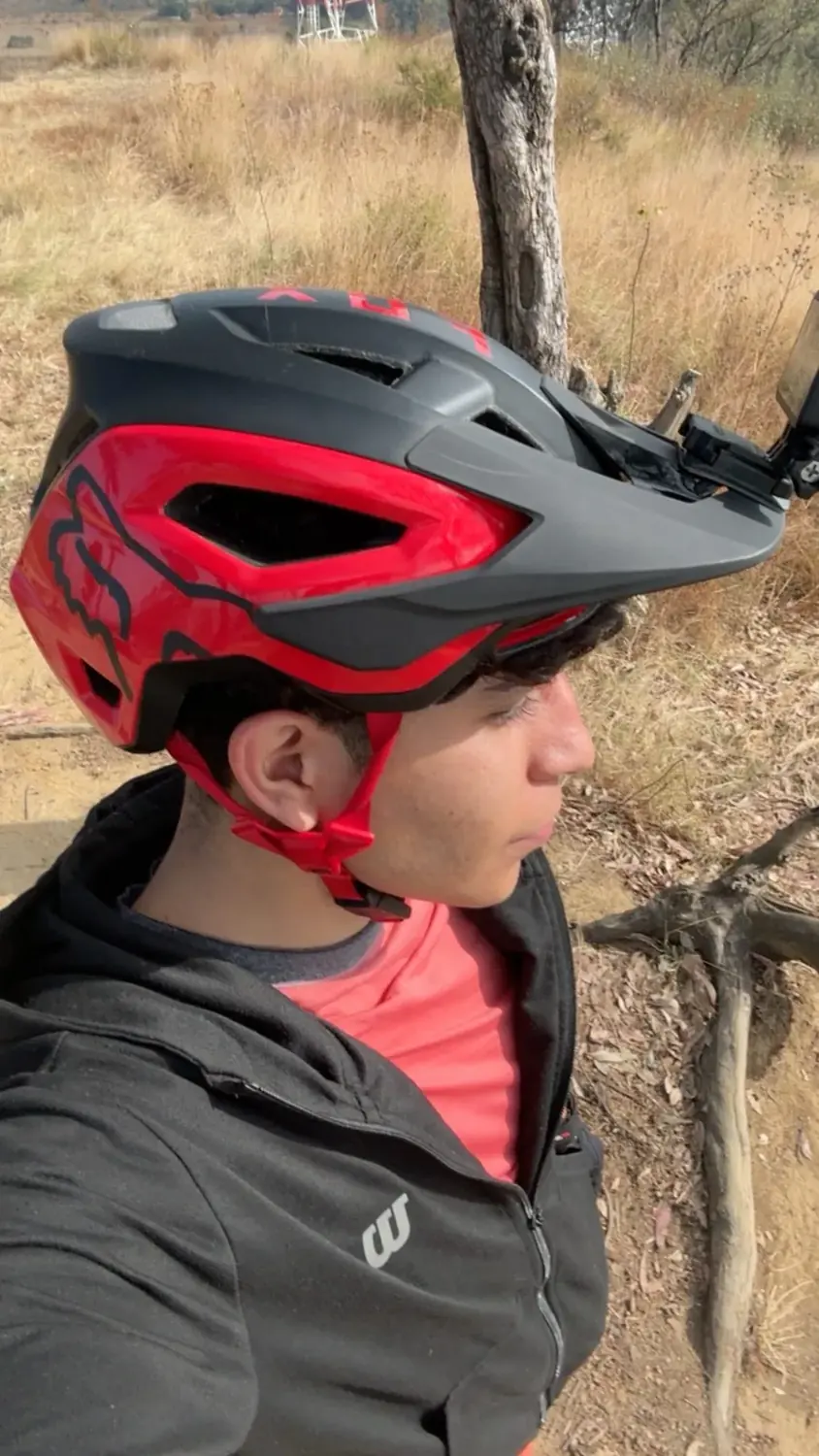
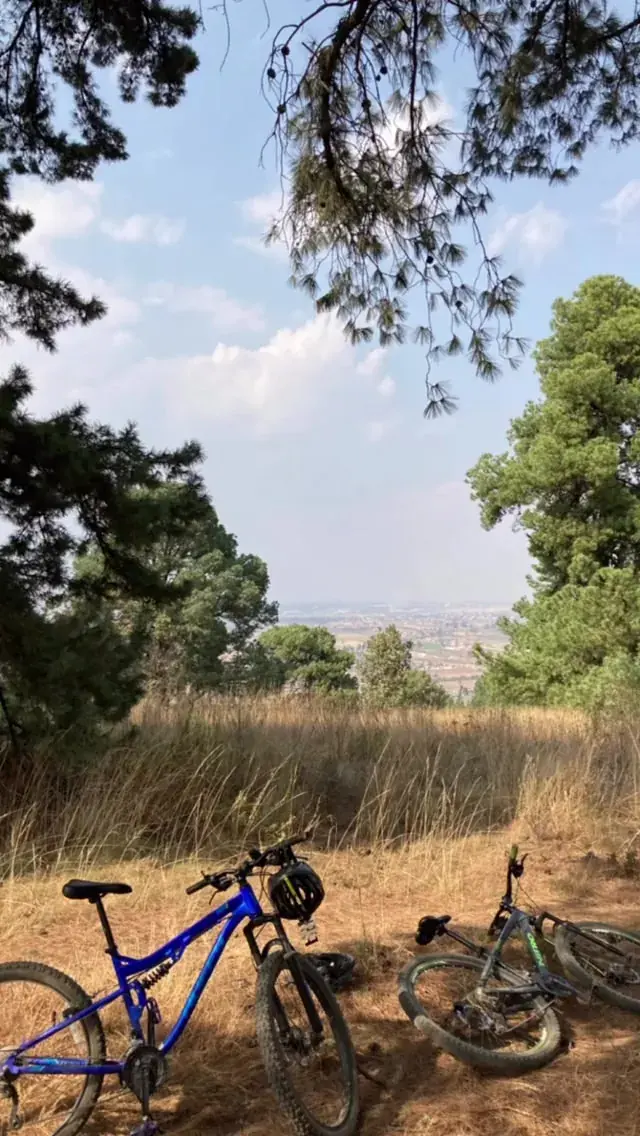

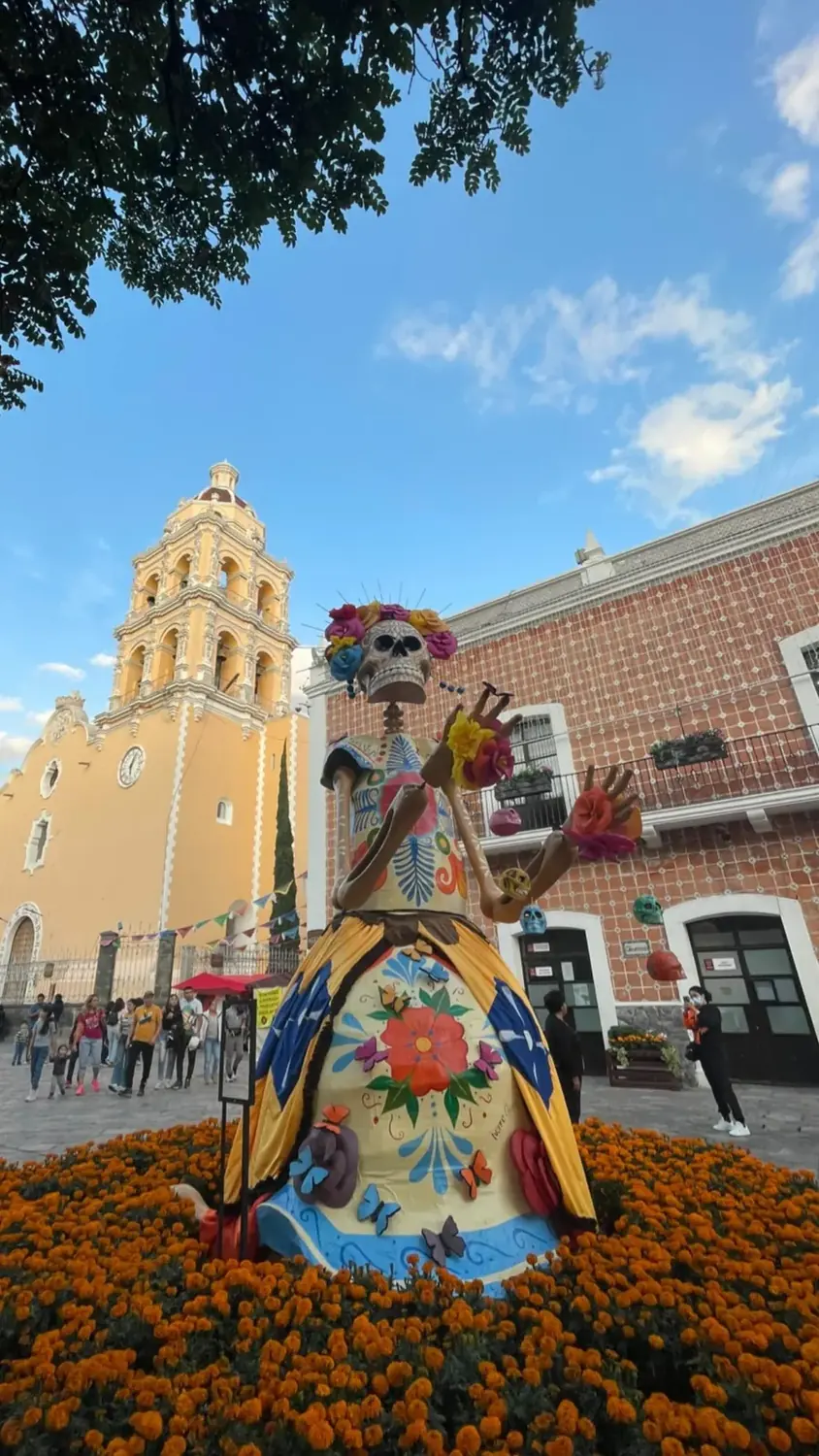
Your frame
The roll goes on with your photo.
Join the Mail Club waitlist and confirm your email: the camera opens and you develop a photo of yours here.
We sent you an email. Confirm it and the camera will be open when you come back.
You're on the list. Pick a photo and it develops on the roll.
Your photo isn't published: we only use it for your Mail Club.
This roll belongs to someone who has been collecting their whole life and is arriving at Collection Legend today.
Your journal
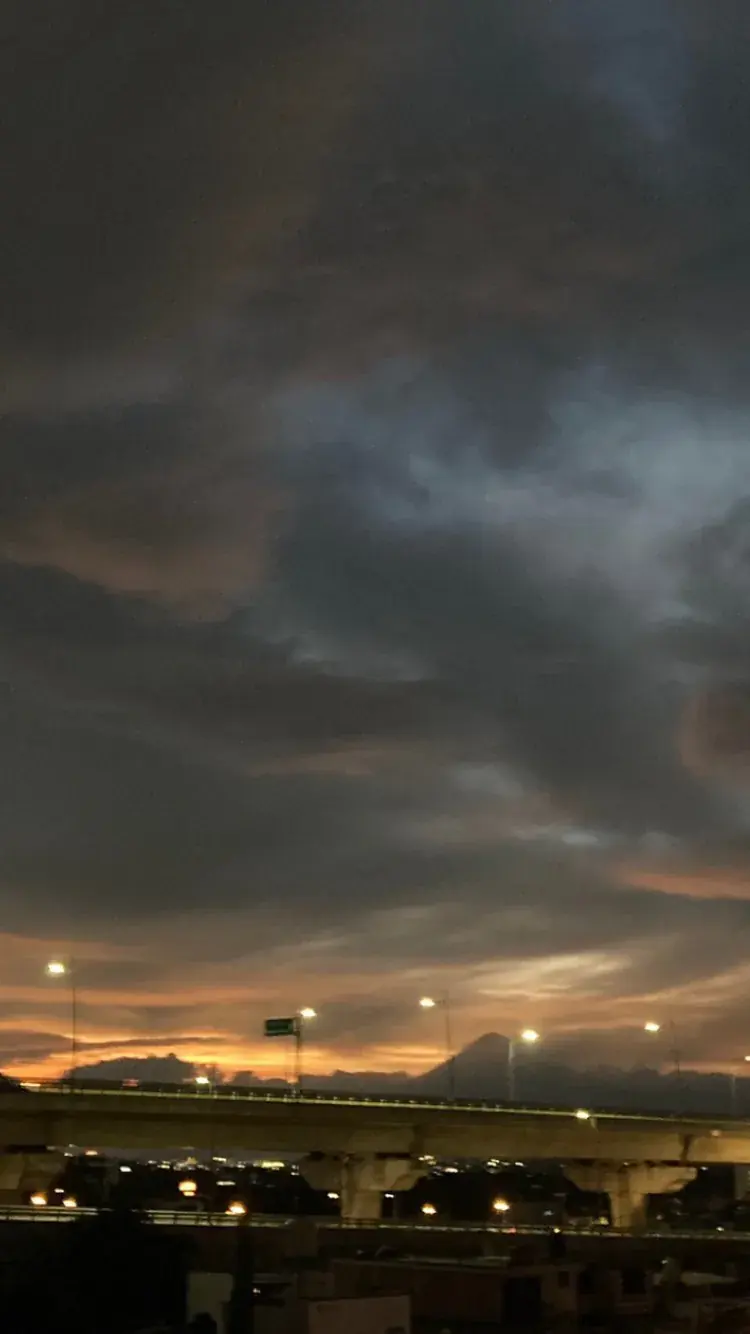
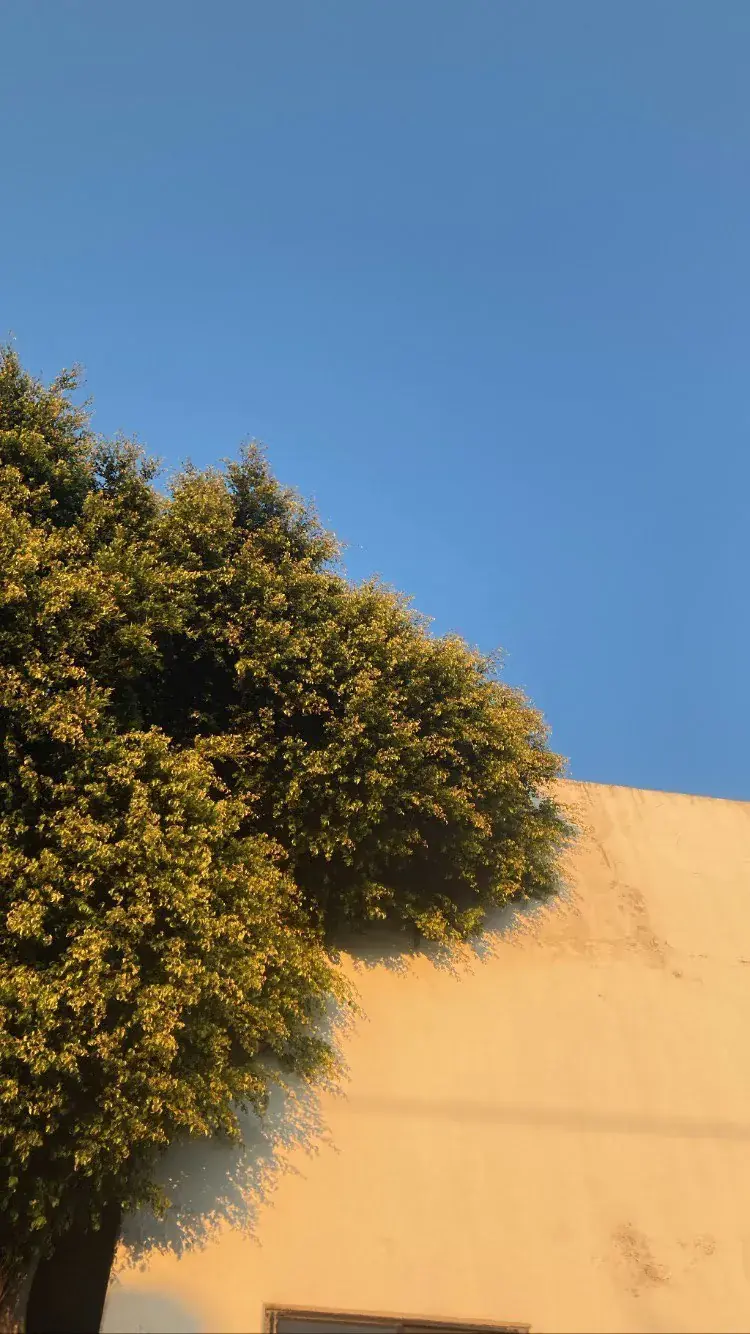
Legend turns what you keep into a journal: one stamp per day on the calendar and, inside, the page with everything that happened, cut out and pasted like in a notebook.
August 2025
Morning
Saturday, August 23
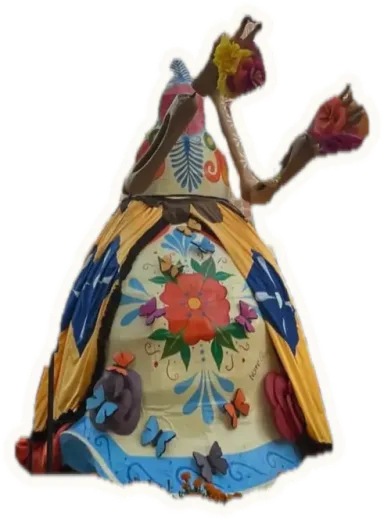
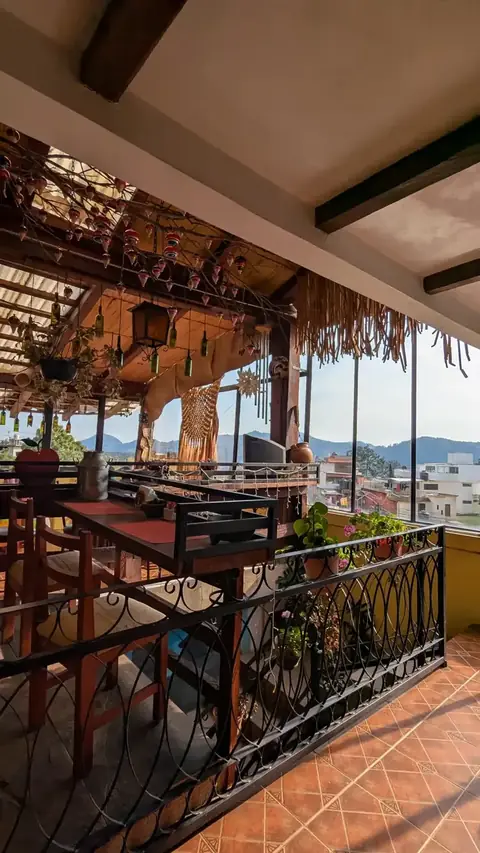
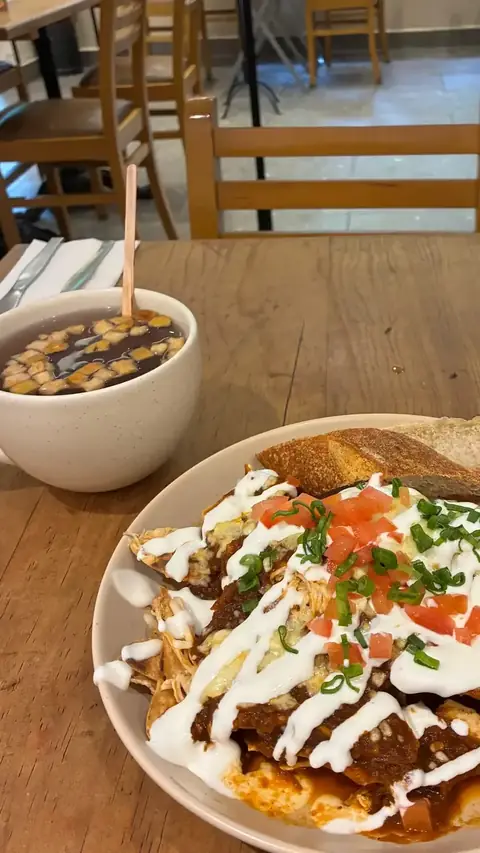
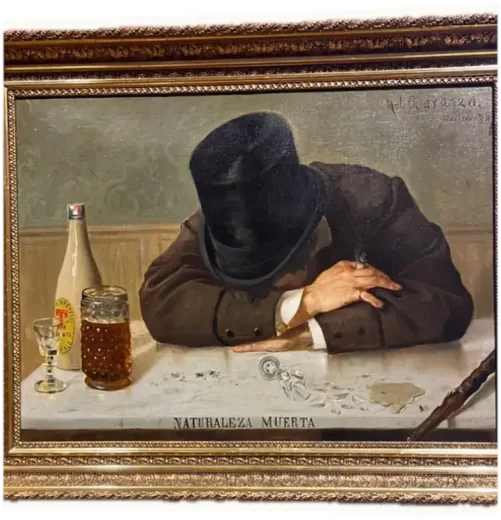
Friday's al pastor, on a Saturday.
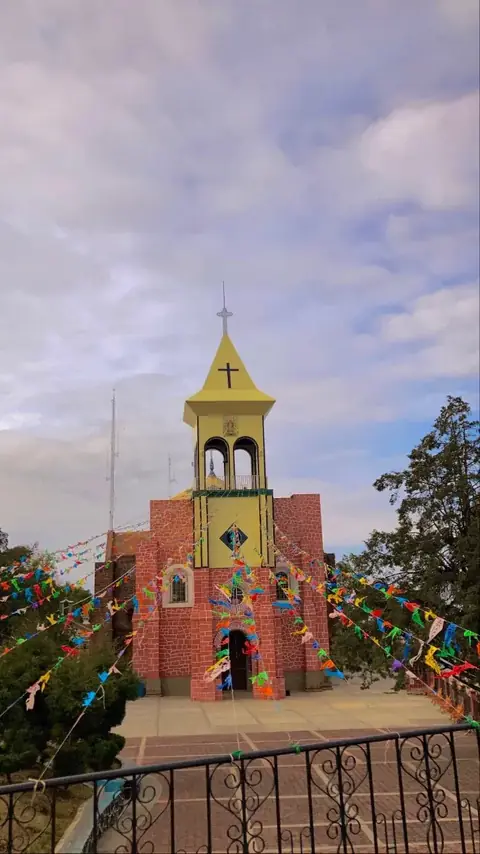
Papel picado from the square
Page 1 of 4
Legacy
Legacy gathers what you've kept —the photos, the things, what you've been telling— and puts it in order for the people you choose. At your own pace, unhurried, with no paperwork.
Legacy
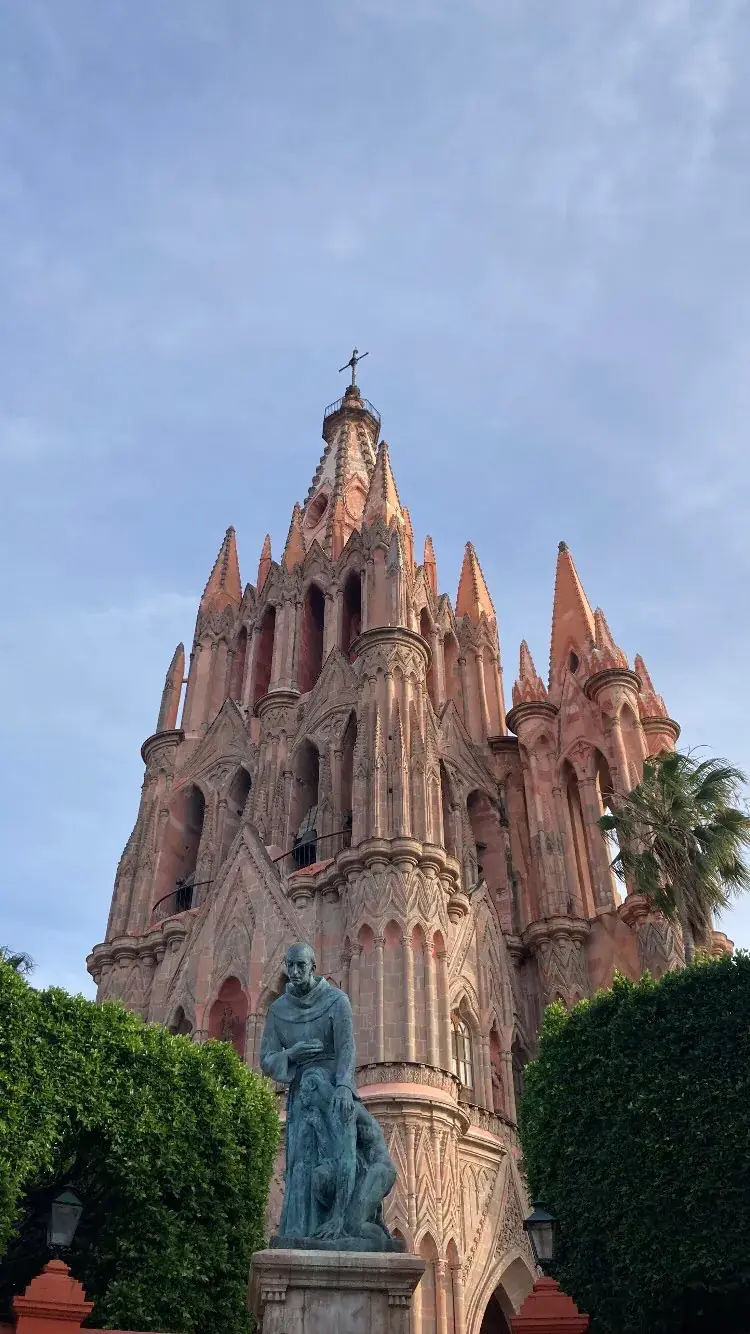
Stories from a family in San Miguel de Allende · 1938 – 2026
Carmen Olvera, with her grandson Andrés
Contents
Foreword
In March 2026 I asked my grandmother for the box of photos in the wardrobe. I thought it would take an afternoon. It took four months of Sundays.
She photographed each print with her phone and told me who was who; I just pressed record. Almost everything here came from those recordings and from what she answered each morning.
It isn't a book about the past. It's so my mother, I and whoever comes next know where our Sundays came from.
— Andrés, June 2026
Chapter I
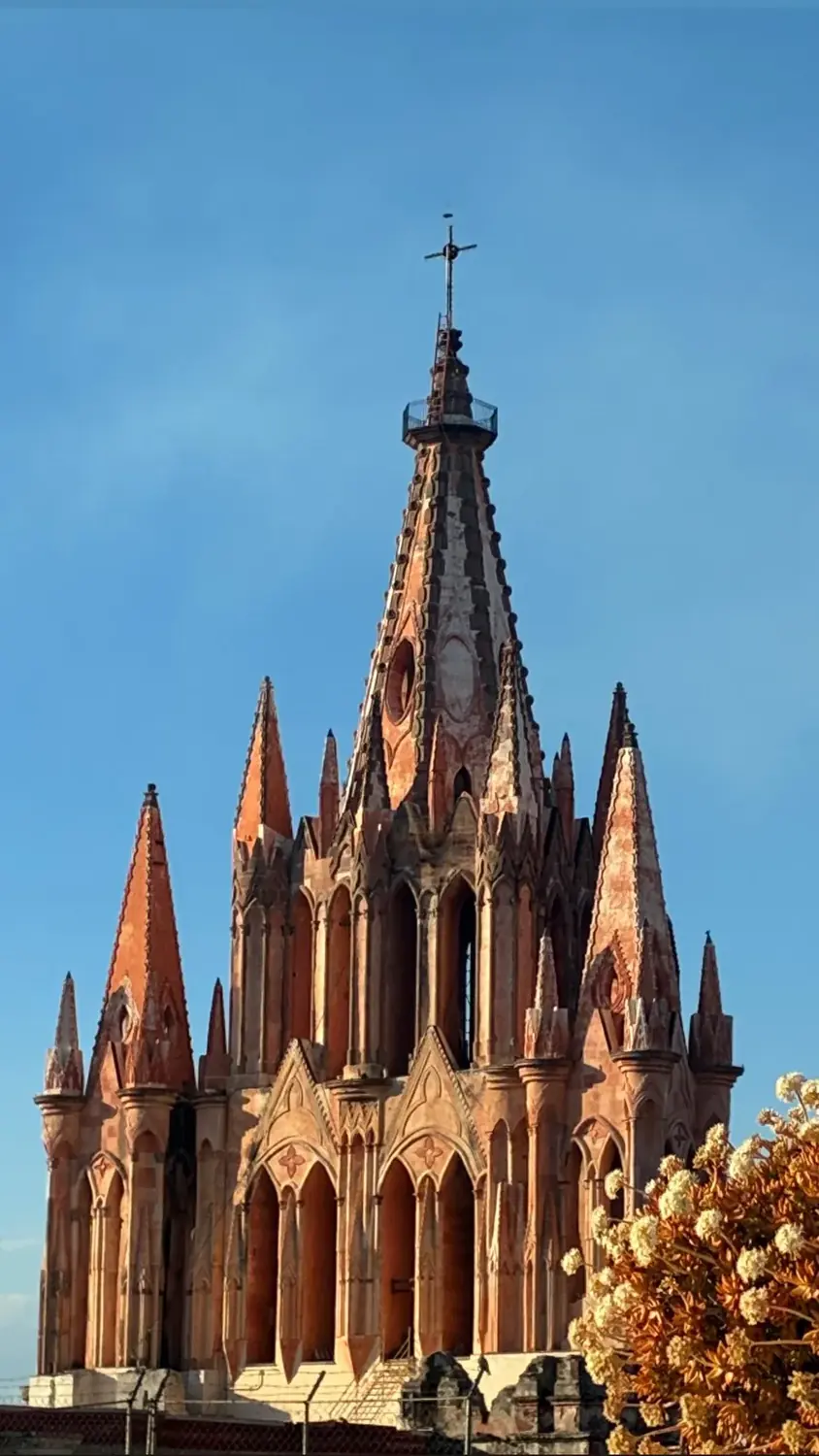
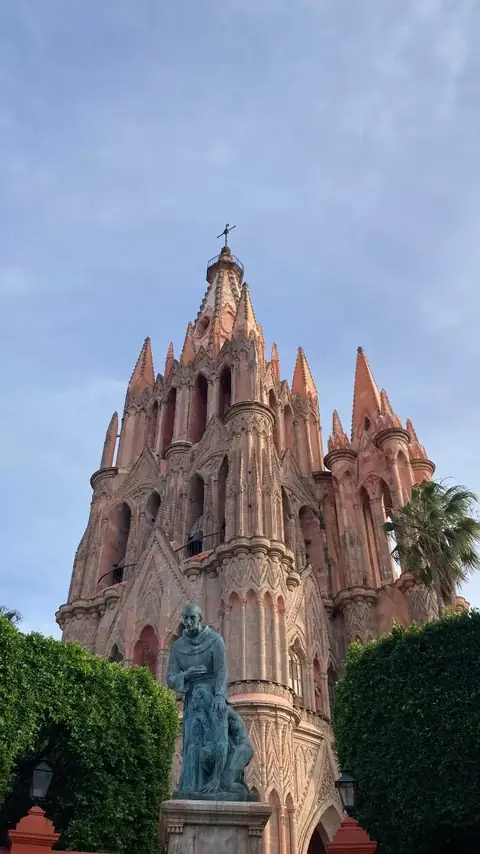
I was born in 1947 in a house on Aldama street, half a block from the Parroquia. From the courtyard you could hear the seven o'clock bells, and with them my mother lit the oven.
My father said the tower was made by a mason who never saw a cathedral: Zeferino Gutiérrez drew it from postcards of Europe. As a girl I thought that made it more ours.
The town was founded by a Franciscan friar, Fray Juan de San Miguel, in 1542. His statue still stands before the atrium; we met there on Sundays after Mass.
Chapter II
One Sunday in March, Andrés asked his grandmother for the box of photos in the wardrobe. Carmen photographed them one by one and told, in her own voice, who's in each and what was happening that day.
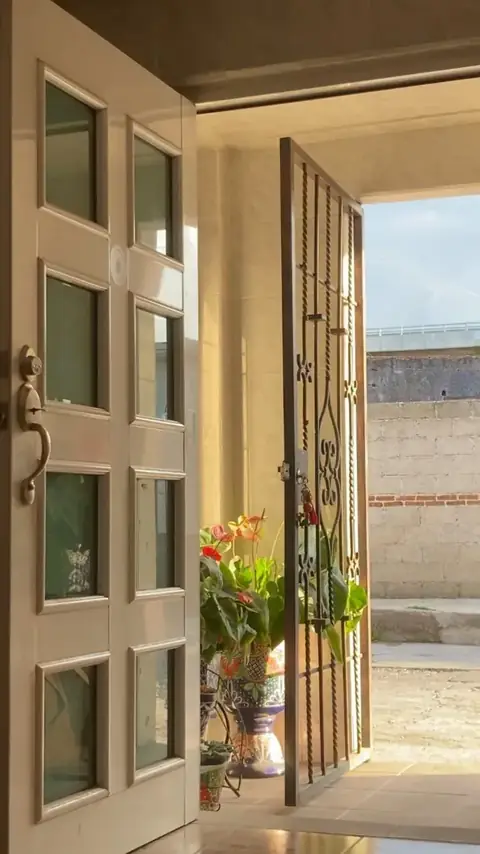
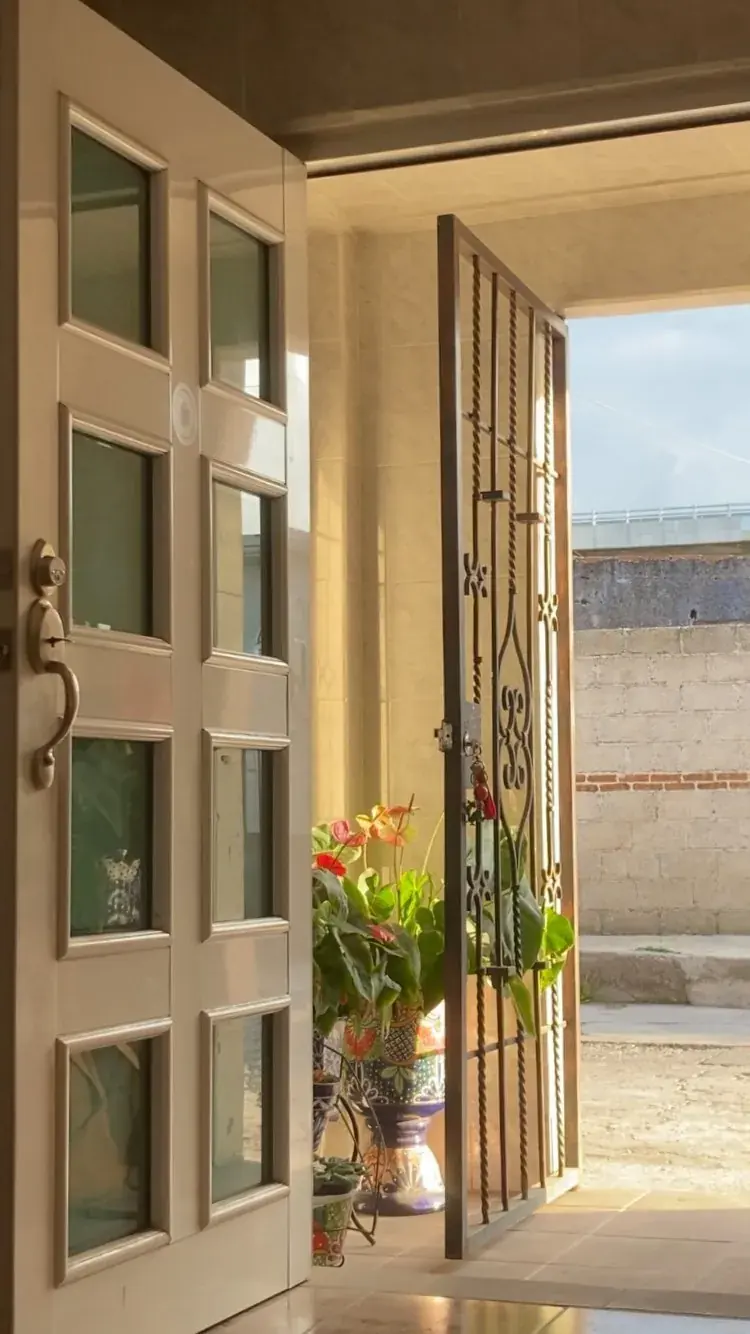 The front door, open in the afternoons▶ 0:47
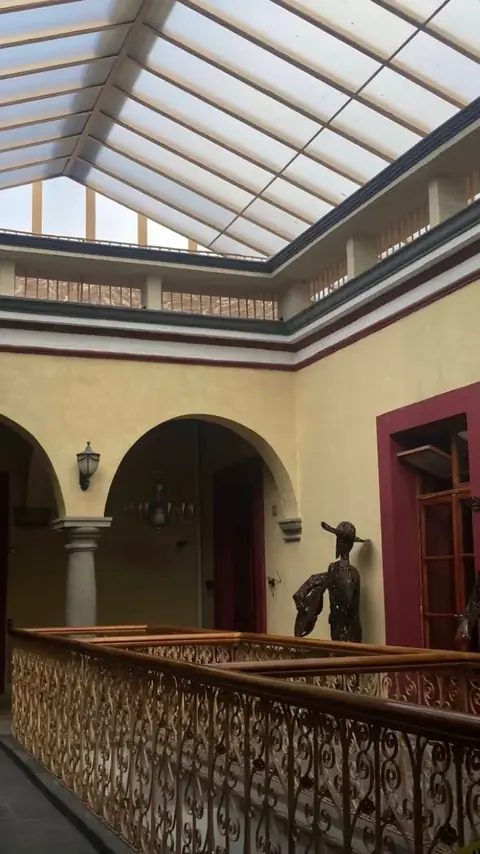
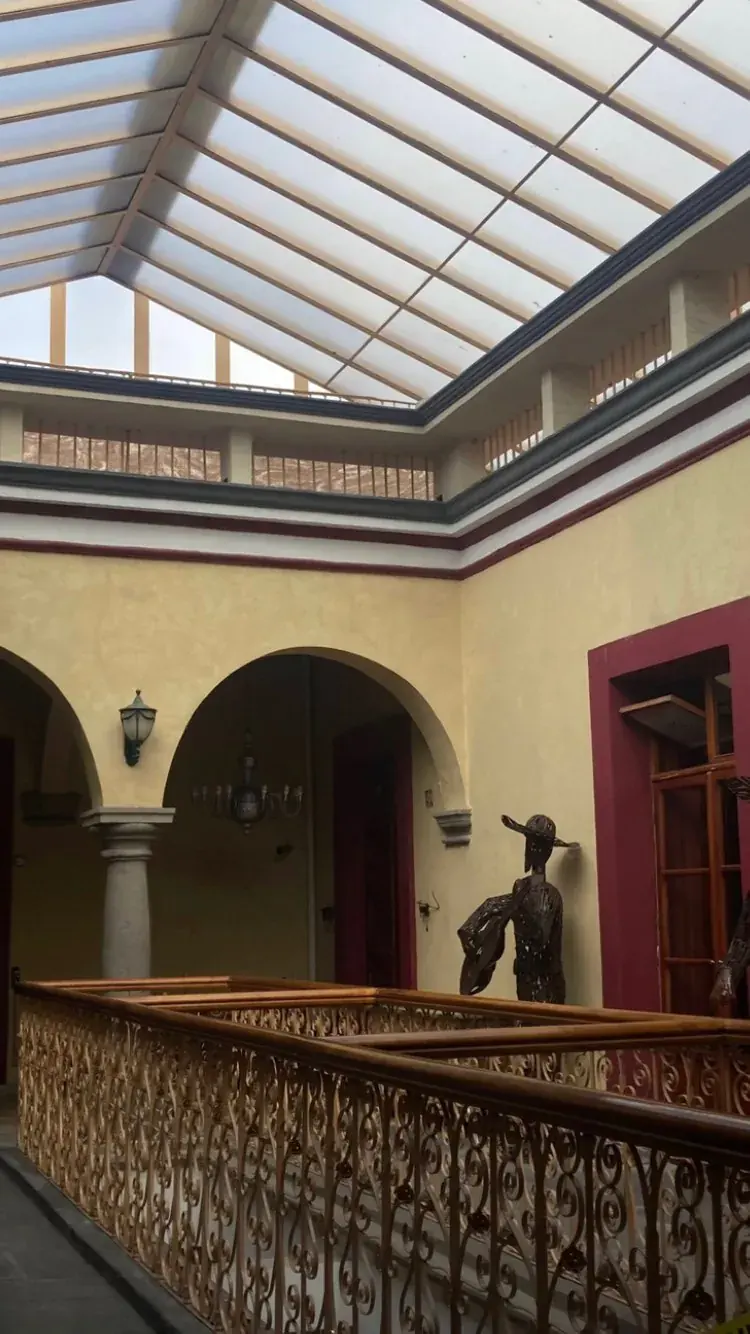 The courtyard where she grew up▶ 1:05
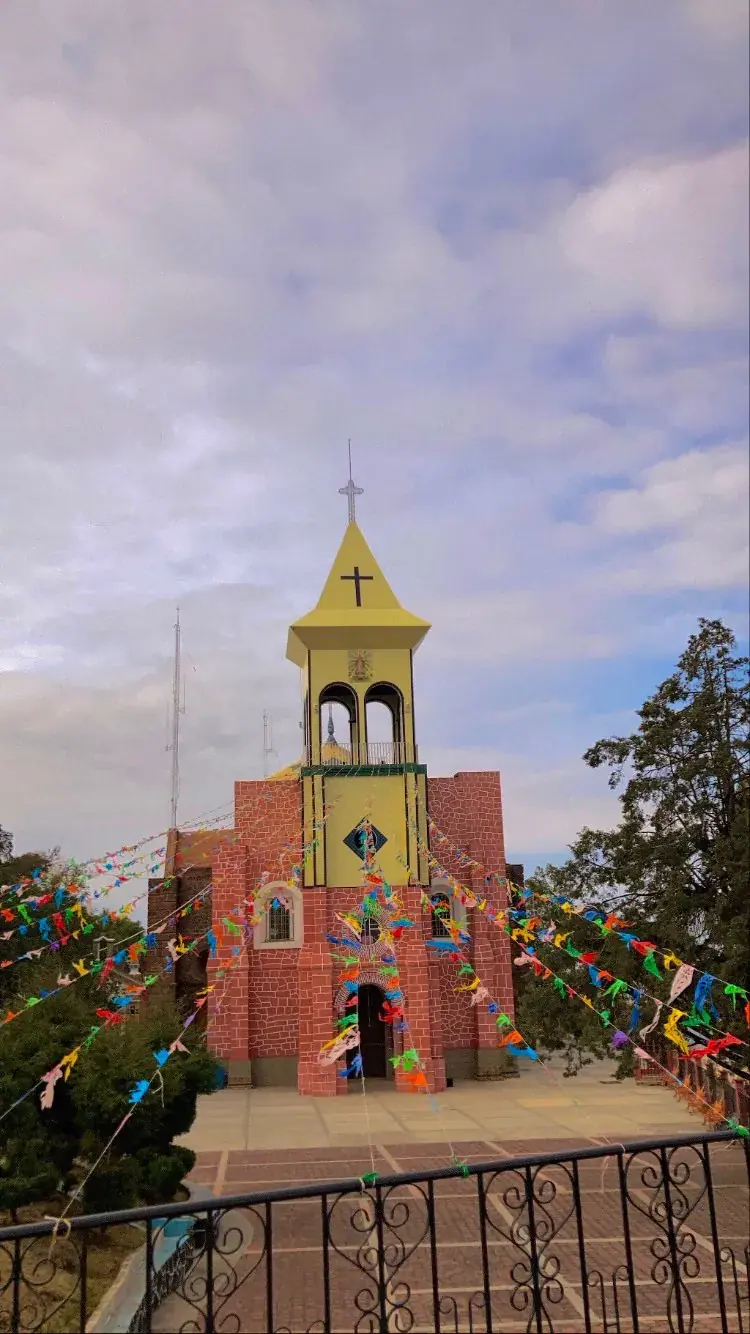 The September fiesta, with papel picado▶ 0:36
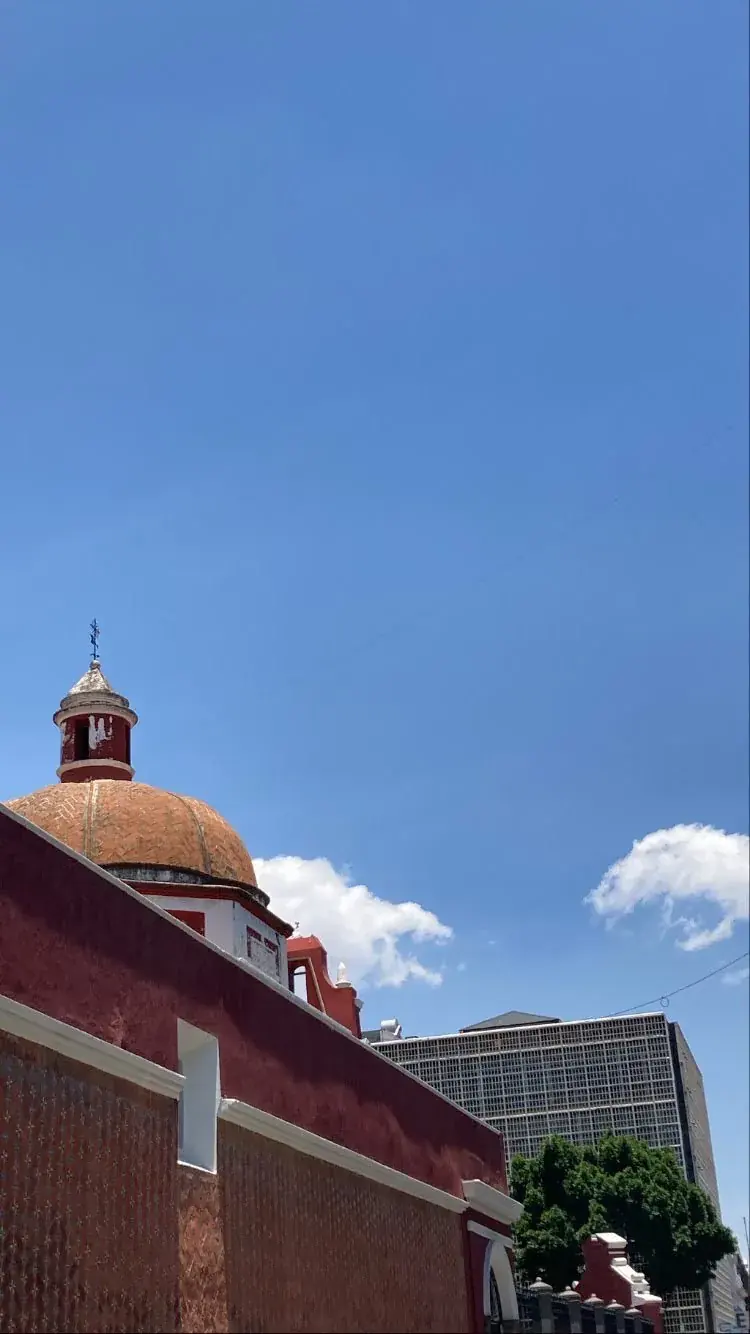 The dome you can see from the roof▶ 0:52
Chapter III
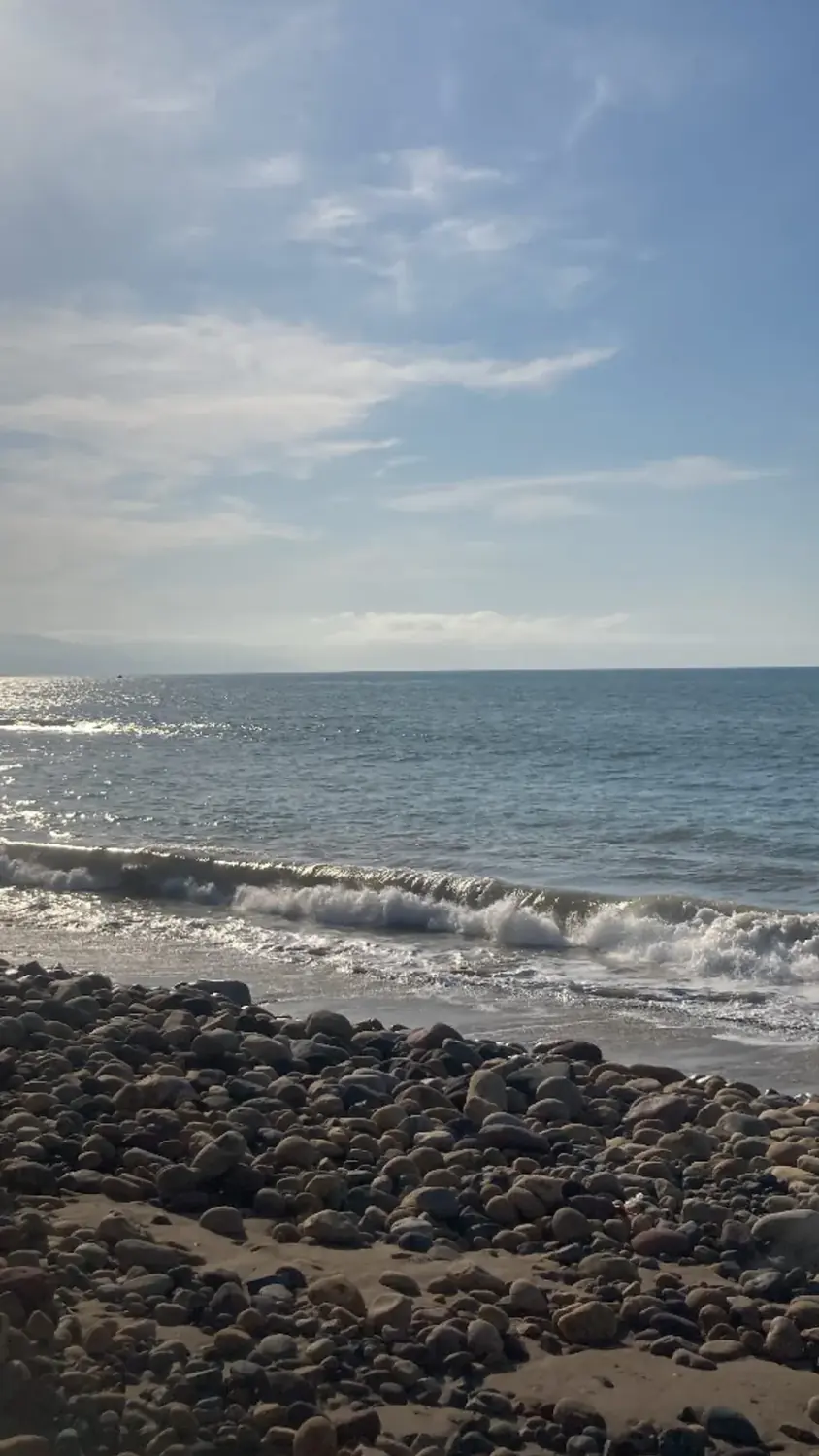
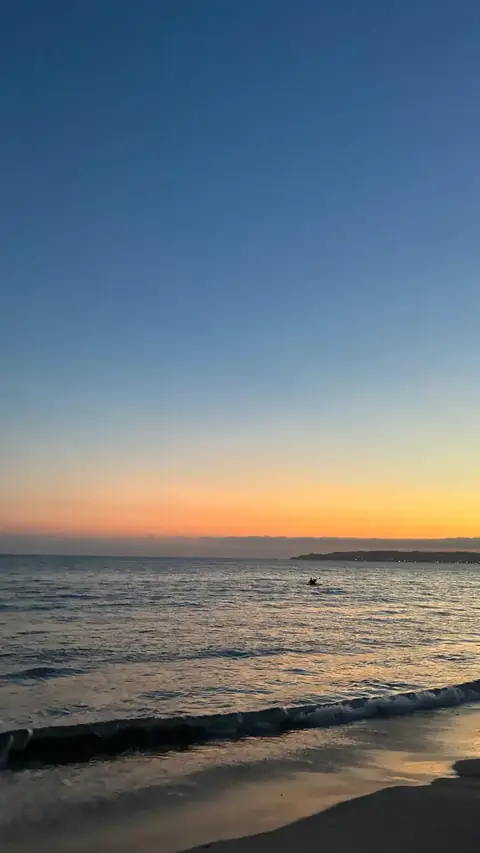
Jorge and I married at the Parroquia on June 14, 1969, and that same night we took the bus to Veracruz. I had never seen the sea.
We had breakfast at the Gran Café de la Parroquia, on the boardwalk. You order a lechero and, when you want the milk, you tap the glass with your spoon. Jorge rang it like a bell.
At night people danced danzón in the main square. We didn't know how, so we sat and watched.
Chapter IV
Andrés brought in the tree the family had on MyHeritage, and Carmen fixed two dates from memory. Those still living stay private: only family can see them.
Imported from MyHeritage (GEDCOM file) · living people are only visible to family
Chapter V
Chapter VI
Every morning Legend asks her a question. Carmen answers after breakfast —sometimes two lines, sometimes a whole story— and Andrés reads them on Sundays.
Chapter VII
Refugio baked them on Saturdays. This is the recipe as Carmen dictated it, with the amounts she uses today.
“If the day is cold, the dough takes longer. Don't rush it.”
Chapter VIII
Andrés did the same with his university class: everyone uploaded the photos from those years to a community, and they go back to them when nostalgia hits. What they lived together doesn't stay on one person's phone.
Chapter IX
Andrés gave it to Carmen. It can also come from the residence where someone you love lives, or from the people who stand by a family during a farewell. Whoever receives it doesn't pay to use it.
Do you care for older adults or for grieving families? We're looking for the first residences and funeral homes that want to offer Legacy to the people they serve: a simple way to gather their stories, with direct support for your team.
Write to us →This book was put together in Legend between March and June 2026, in San Miguel de Allende.
214 photos · 38 voice notes · 61 answers to Today's Question.
Set in Newsreader and Source Sans 3.
The pages that follow are blank on purpose.
For Andrés
Thank you for sitting with me every Sunday. Here is what you asked me, and what I couldn't say out loud.
— Your grandmother Carmen
The promise
Four things we won't negotiate.
Nothing is shared until you decide. We don't sell your data or use it for ads.
Open, keep, close. Legend competes for one meaningful minute, not hours of screen time.
It's what a will can't hold: why your things and your choices mattered.
Export all of it whenever you want. Your memories don't depend on Legend continuing to exist.
Nothing is shared until you decide. We don't sell your data or use it for ads.
Open, keep, close. Legend competes for one meaningful minute, not hours of screen time.
It's what a will can't hold: why your things and your choices mattered.
Export all of it whenever you want. Your memories don't depend on Legend continuing to exist.
Plans
Everything Legend does is free, on both plans. The only thing you pay for is room to keep things: Free comes with 5 GB and Plus with 150 GB.
Every tool, and 5 GB to start.
$0forever
Save my spotThe same tools, with room for your whole life.
$149per month
Notify me at launchMexican pesos, VAT included. Launch price.
Everything in Free, with more space:
Separate: Mail Club
A service separate from the plans: every so often we make something tangible from what you kept and mail it to your home. You sign up for it separately in the app.
Frequently asked
Anyone who wants to keep something that matters to them: an object, a photo, a story. You need to be 18 or older to create an account. Even so, it's safe for the whole family: your archive is private by default, and anything posted to a community is screened before it's uploaded and reviewed when someone reports it.
The tools are free for everyone: the app, the connections to your other apps, and the plugins. The only thing you pay for is space. Free comes with 5 GB; Plus, with 150 GB.
Because keeping your archive is what actually costs: every photo lives in two places so it's never lost. We'd rather charge for looking after what's yours than for letting you use a feature.
Your archive stays yours and the tools keep working. You can view it, edit it, and export it — you just can't add beyond the 5 GB of the Free plan.
Yes. You can export your archive from Settings. Your memories shouldn't depend on Legend continuing to exist.
By default, only you. Nothing is shared until you decide to: you can open a collection to people you trust or publish it to a community.
No. Recognition runs on your iPhone. The photo is only stored if you choose to attach it to an entry.
Go to Settings › Account. Deletion is immediate and cannot be undone. Your subscription is cancelled separately from Apple's settings.
Apple manages the subscription. Cancel it from Settings › your name › Subscriptions; Plus continues until the paid period ends.
No. Legend keeps the meaning behind your decisions and things, but it doesn't replace a will or an estate process.
An iPhone with iOS 17.4 or later. For now, Legend is available for iPhone only.